
Malcolm Woolf of the National Hydropower Association: A Voice for the Water Power Industry
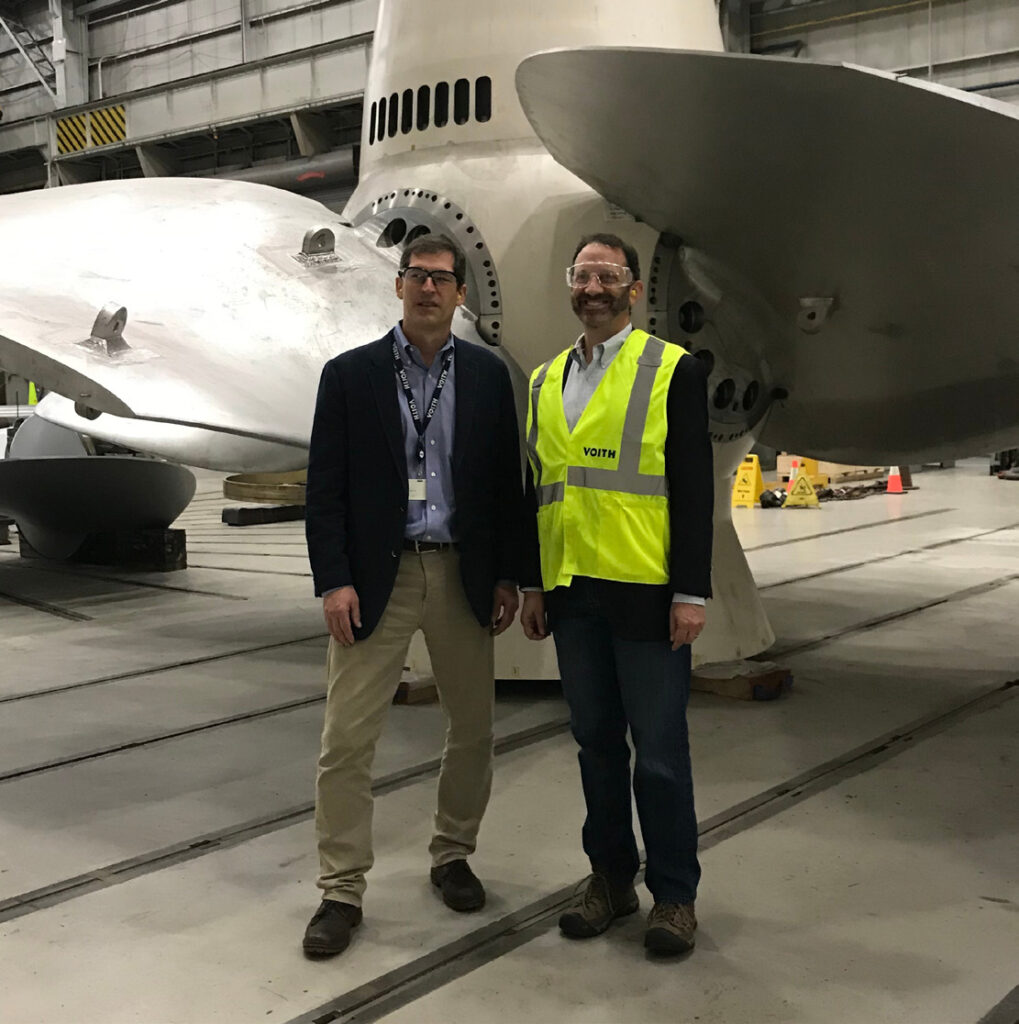
The National Hydropower Association (NHA) is the national trade association for the hydropower association, encompassing all water power technologies, including traditional reservoir hydropower, pumped storage, wave energy, and tidal energy. While hydropower is often seen as a mature technology, it is still experiencing significant innovation and promises to be a crucial component of the 21st-century […]
FERC Regulatory Considerations for Project Modifications
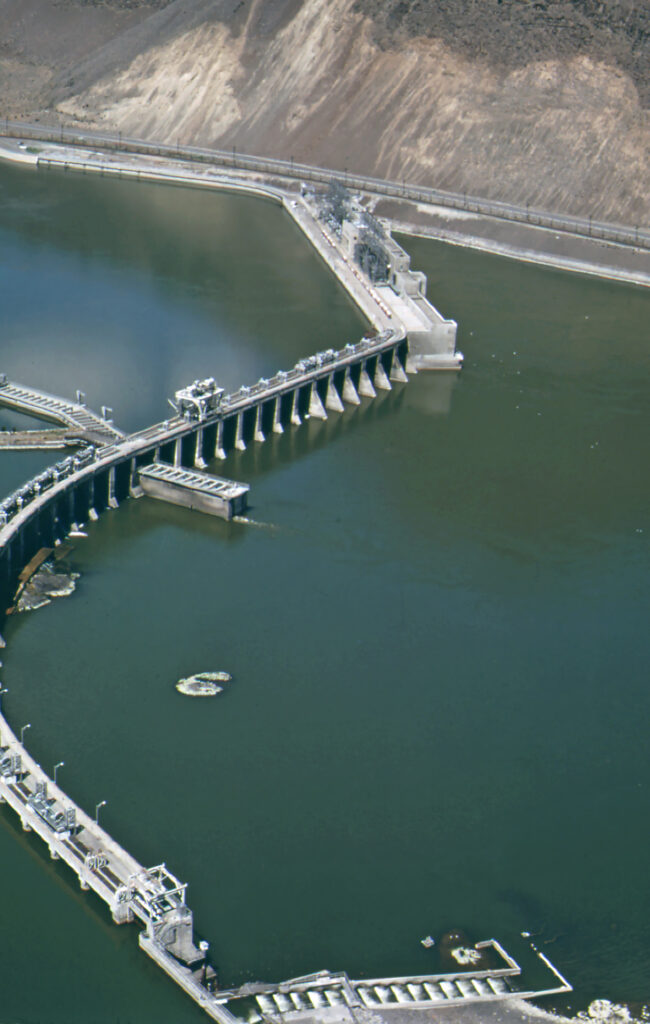
By Chuck Sensiba and Elizabeth McCormick It is well known that hydropower is one of the oldest forms of electricity generation in the United States, with hydropower plants accounting for 99 percent of all currently operating capacity built before 1930. Incredibly, the average hydroelectric facility has been operating for over 60 years, and the 50 […]
Environmentally Friendly Epoxy Coating System Offers Big Benefits to Hydroelectric Station
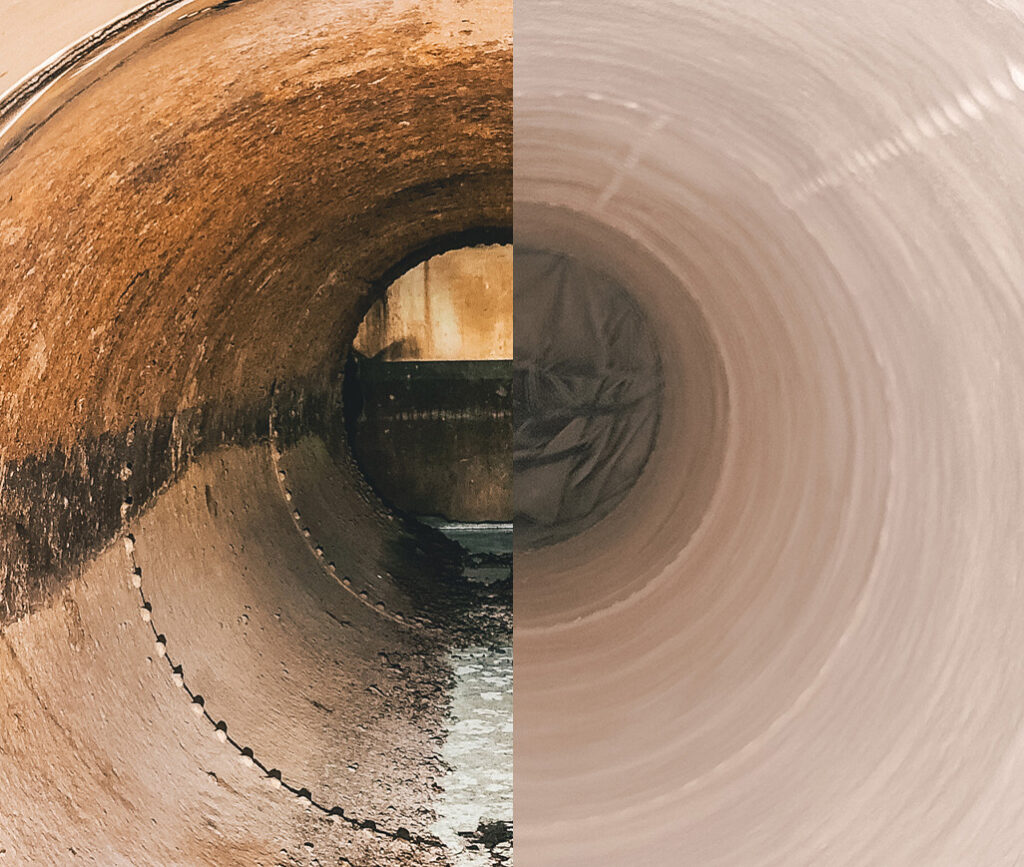
By Max Silva In 2015, one of the largest electric power holding companies in the United States, which has provided clean, renewable energy since 1912, began a project focusing on the protection, mitigation, and enhancement of select hydro stations and the areas surrounding them. The improvements on one particular structure, which had been operating safely […]
Difficult Conditions Make for a Challenging Rehabilitation of a Small Hydroelectric Plant
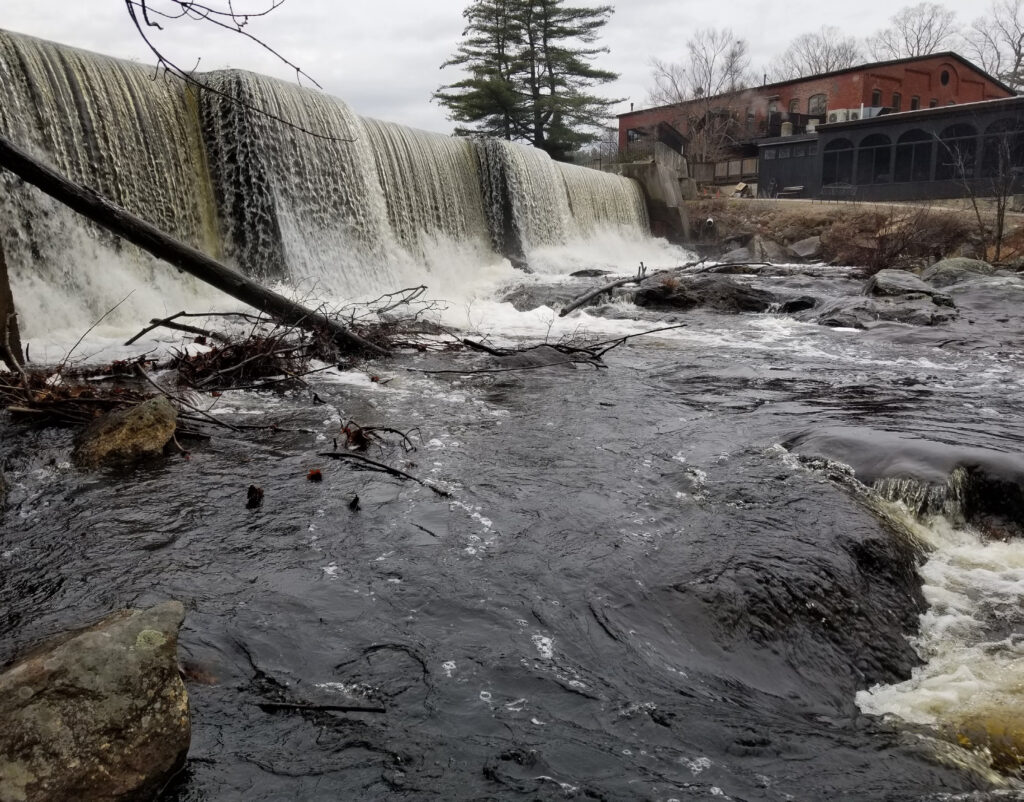
The Noone Falls Mill hydroelectric project, located in Peterborough, New Hampshire, was in need of an upgrade. Marty Greco, its new owner, replaced its generators, its electrical switchgear, and its turbine units. The penstock, however, posed additional challenges. Dating back more than a century, the penstock ran under a road, along the foundation of a […]
Rehabilitating the U.S. Army Corps of Engineers’ Hydropower Fleet
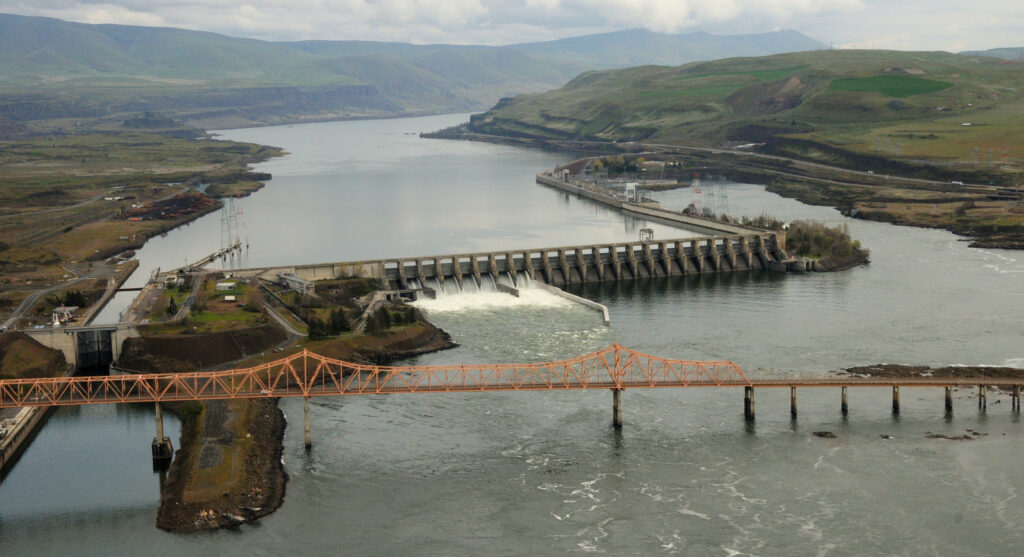
The U.S. Army Corps of Engineers runs the country’s biggest hydroelectric fleet, generating 23 gigawatts of clean, renewable energy. Keeping that fleet in good operating condition and ensuring that it can provide power at competitive rates requires continual maintenance and efforts to upgrade and rehabilitate generators and dams. Currently, the Army Corps is in the […]
Del Shannon of Schnabel Engineering on Dam Construction and Rehabilitation
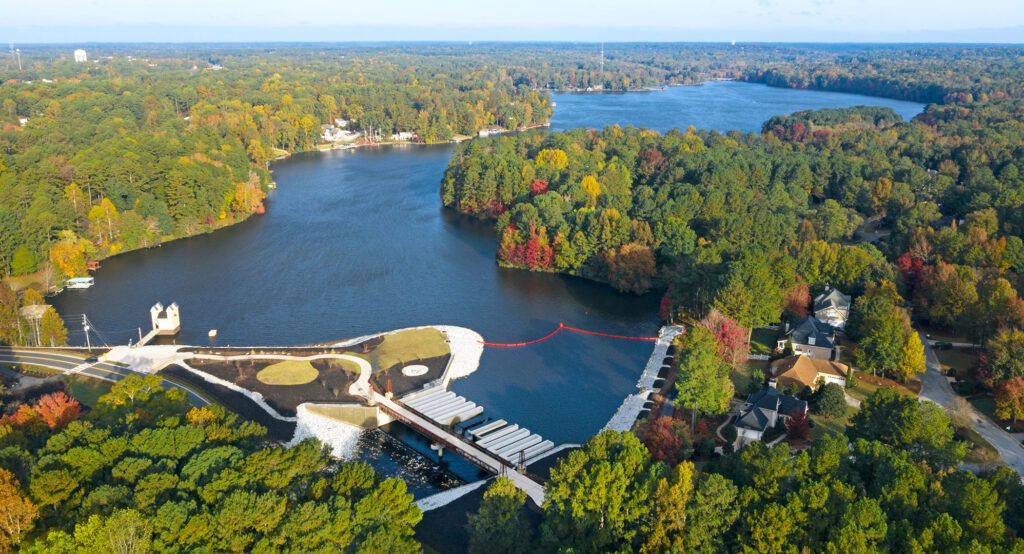
Schnabel Engineering is an engineering firm that does significant dam design and rehabilitation work across the United States, focusing on geotechnical, structural, hydraulic, and mechanical issues and other important factors. Del Shannon is a principal at Schnabel Engineering and a senior vice president in its dam and levee engineering group. In this interview, he tells […]
Martin Sintak on Mavel’s Low-Head Malczyce Dam in Poland
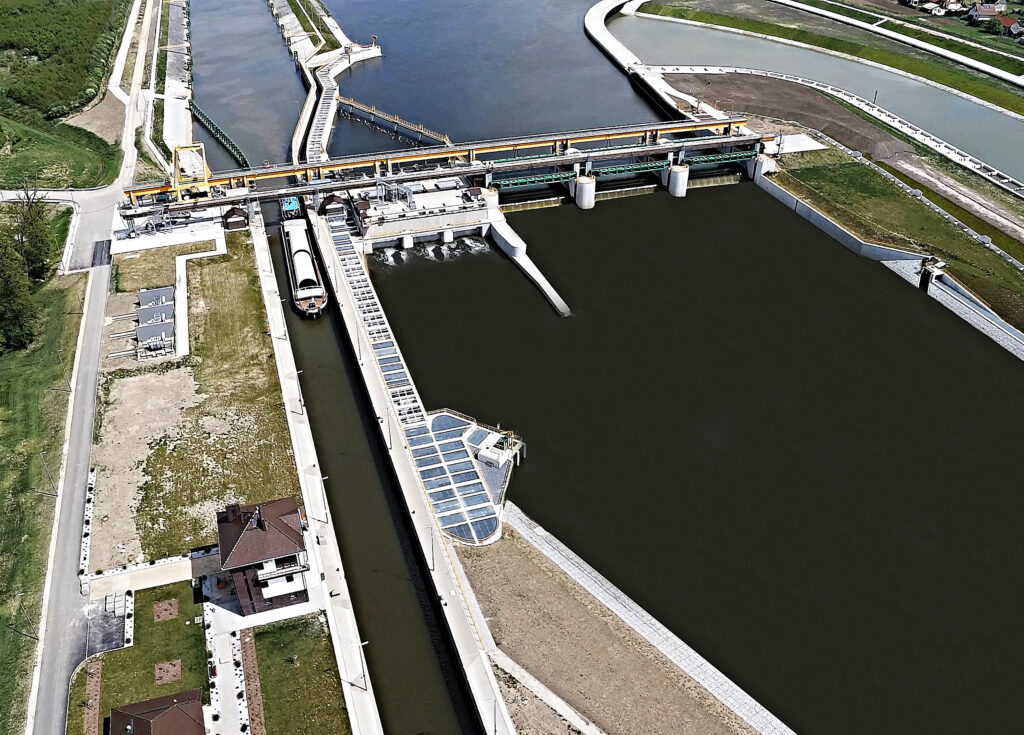
Founded immediately after the fall of communism in the former Czechoslovakia, Czech Republic-based Mavel has grown to be a world leader in hydroelectric equipment. While the company provides a full range of turbines, one of its specialties is low-head hydro. Much of Mavel’s low-head hydro expertise was gained through designing and providing turbines for 10 […]
How Worthington’s Barrier Systems Can Mitigate Fire Debris Issues
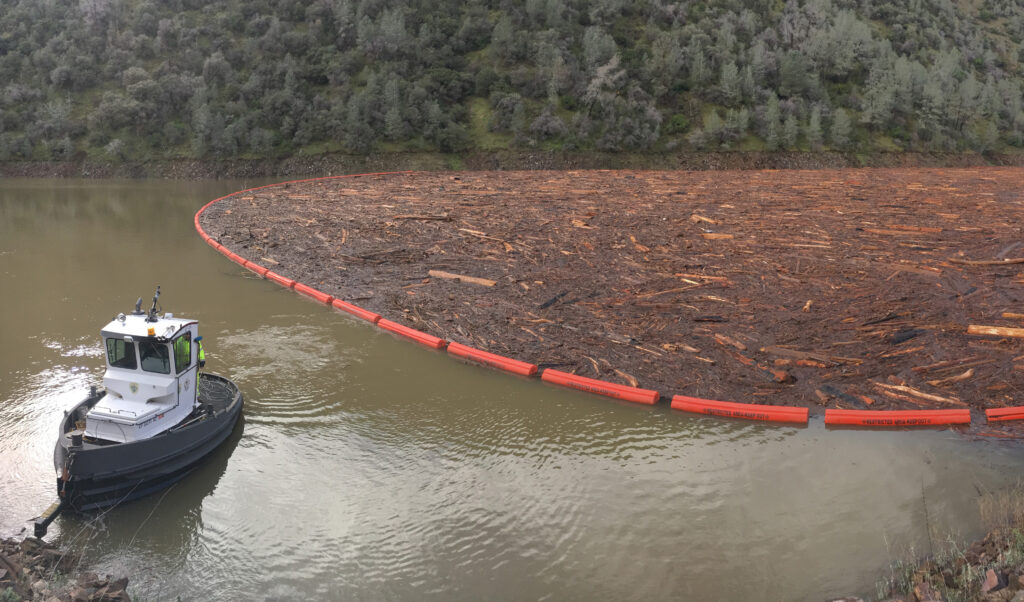
The 2020 fire season was one of the worst in recent memory. Immense fires swept across California, Oregon, Washington, and other U.S. states, causing loss of life, property destruction, and air pollution. Perhaps less known, however, is the fact that wildfires also pose significant problems for dam and waterway owners and operators. After a fire, […]
Reclamation’s Modeling and Research in the Colorado Basin
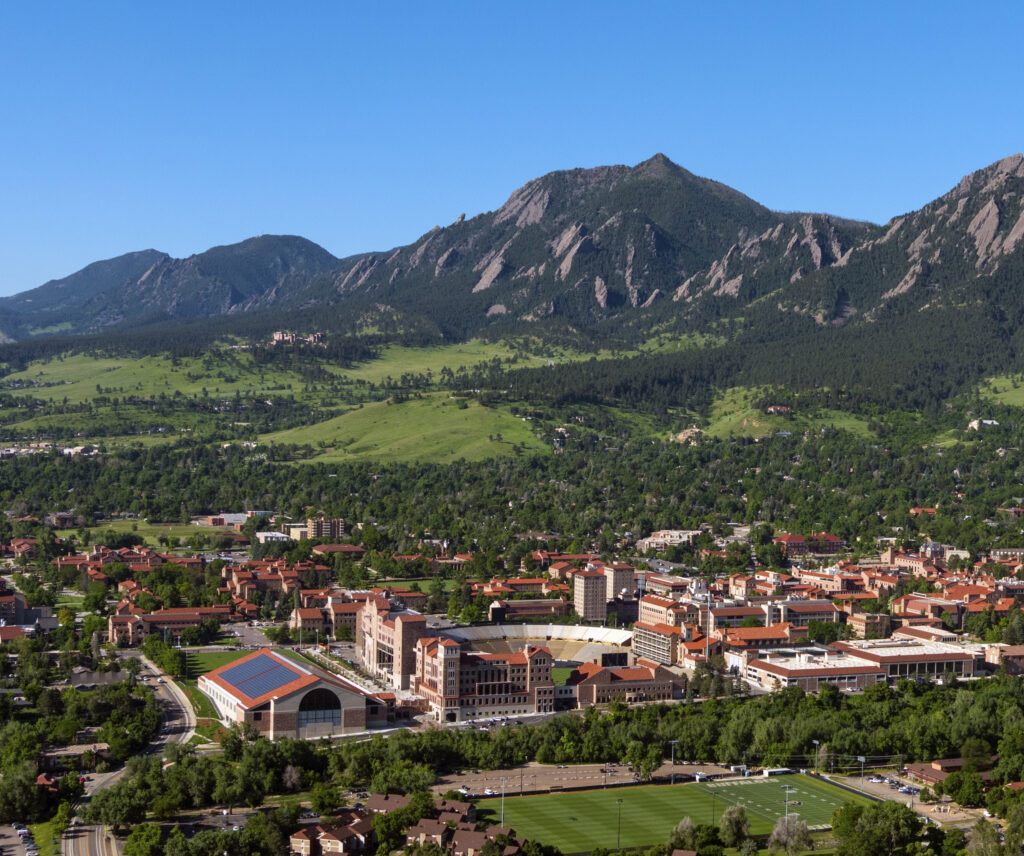
The Bureau of Reclamation plays a critical role in managing the priceless water resources of the Colorado River. Even under ideal circumstances, this monumental task requires technical expertise, accurate information, and experience. This is even more true during a time of drought, like the one the basin has been experiencing since 2000. In this interview, […]
Reclamation’s History in the Colorado Basin
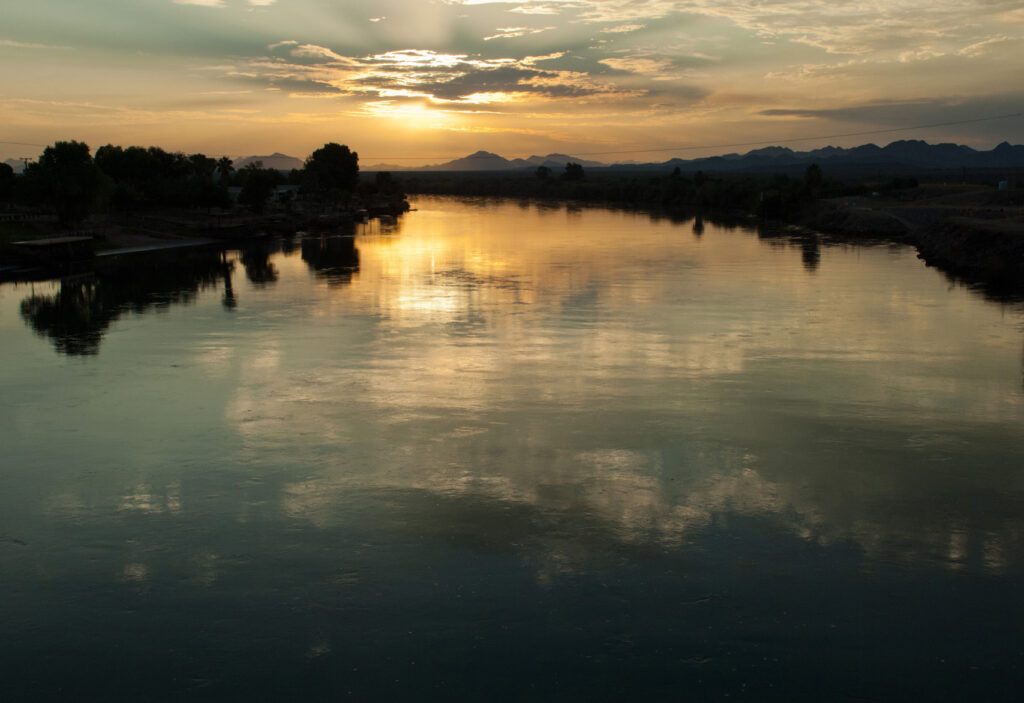
The Colorado River is the lifeblood of the Southwest. From the Front Range of the Rockies in Colorado to the metropolises of Southern California, it is Colorado River water that supplies agricultural and residential needs. It is only thanks to the work of the Bureau of Reclamation, however, that this water gets to where it […]